
Key facts
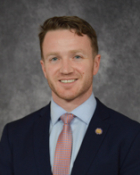
- North Dakota state Sen. Sean Cleary is a Republican.1
- The Kritzbergers have farmed in the Red River Valley for more than a century.1 They now grow sugar beets, soybeans, and grains.1
- Soaring insulin prices forced people with diabetes to pay hundreds, even thousands, of dollars.1 Many rationed insulin, with sometimes deadly consequences.1
North Dakota state Sen. Sean Cleary, a Republican, co-sponsored legislation last year to cap patients' insulin bills at $25 a month.1
The cap limits what patients have to pay out-of-pocket every month for insulin..1 It applies even if patients have a high deductible that might force them to pay thousands of dollars before coverage kicks in for other healthcare.1
North Dakota is one of 29 states that have enacted such measures.1
A family’s fight with diabetes
The Kritzbergers have farmed in the Red River Valley for more than a century..1 They now grow sugar beets, soybeans, and grains.1
Ang Kritzberger said as she walked the farm on a recent fall morning.1
“We’re in an incredible amount of debt,” Kritzberger said.1
Nina Kritzberger has Type 1 diabetes..1 She was diagnosed when she was 7.1
Ang Kritzberger said.1
The Kritzbergers pay out-of-pocket at least $8,000 a year for medical care, despite having insurance.1
A bipartisan push
Soaring insulin prices forced people with diabetes to pay hundreds, even thousands, of dollars..1 Many rationed insulin, with sometimes deadly consequences.1
There’s a growing movement across the country to cap what people with diabetes pay for insulin..1 Democrats and Republicans have been brought together by the movement.1